Shambler
Max Output Level: -75 dBFS

- Total Posts : 783
- Joined: 2010/07/06 05:20:19
- Status: offline
Jupiter-80 is here!
And not before time too, took a week rather than the 2 days stated...my ears thought someone had cut off my hands. Ordered from the UK but received a unit with a European plug...luckily had a UK 3 pin lead to hand...will have to chase the supplier for a UK lead. I opened a bottle of wine and switched it on, 2 hours later the wine is still sitting there...this must be a good sign. Love the sound, love the feel of the keyboard action, the other buttons and sliders all feel high quality. Of course it has Roland's aftertouch 'sensitivity' but that was expected 
post edited by Shambler - 2013/11/06 15:49:09
SONAR Platypus on Win10 64bit. Studio One Pro / Cubase Pro 9.5...just in case. 8GB i7-2600 3.4GHz Gigabyte Z68XP-UD3P Geforce GTX970 Focusrite Scarlett 18i20 2nd Gen Prophet 12/Rev 2/Virus Snow Zebra2/DIVA/NI Komplete 10
|
Mesh
Max Output Level: 0 dBFS

- Total Posts : 27360
- Joined: 2009/11/27 14:08:08
- Location: Online right here!
- Status: offline

Re: Jupiter-80 is here!
2013/11/06 16:07:39
(permalink)
Congrats Shambler!! Looks like this might be a keeper.... 
Platinum Gaming DAW: AsRock Z77 Overclock FormulaI7 3770k @ 4.5GHz : 16GB RAM G.Skill Ripjaws X 250GB OS SSD : 3TB HDD : 1TB Sample HDDWin 10 Pro x 64 : NH-D14 CPU Cooler HIS IceQ 2GB HD 7870Focusrite Scarlett 2i4The_Forum_Monkeys
|
paulo
Max Output Level: -13 dBFS

- Total Posts : 6218
- Joined: 2007/01/30 05:06:57
- Status: offline
Re: Jupiter-80 is here!
2013/11/06 18:57:01
(permalink)
Mmmmmmm. Jupiter.........  Back in the day I use to dream of owning a Jupiter 8, but they were way above my means. I'm not overly sold on the looks of this one, but it sounds great from what I've seen in demos. How do you find the touchscreen controls ? Looks a little bit fiddly to me. Ive always liked Roland's pitch bender better than a wheel and the D-beam is cool too.
|
Shambler
Max Output Level: -75 dBFS
- Total Posts : 783
- Joined: 2010/07/06 05:20:19
- Status: offline
Re: Jupiter-80 is here!
2013/11/07 01:30:23
(permalink)
The touchscreen works well, they have tried to keep the interface buttons large where possible but sometimes it can be a bit fiddly to hit the area you want but it's not much of a problem,might try a stylus when I get into making up my own registrations. The sound is great, I made up a simple patch of supernatural piano and a synth pad, just 2 layers , sounded so good I was playing for a long time just with that live set. The default registrations I have to say are a bit 'niche', I'm going to look through the individual live sets today.
post edited by Shambler - 2013/11/07 01:42:50
SONAR Platypus on Win10 64bit. Studio One Pro / Cubase Pro 9.5...just in case. 8GB i7-2600 3.4GHz Gigabyte Z68XP-UD3P Geforce GTX970 Focusrite Scarlett 18i20 2nd Gen Prophet 12/Rev 2/Virus Snow Zebra2/DIVA/NI Komplete 10
|
craigb
Max Output Level: 0 dBFS
- Total Posts : 41704
- Joined: 2009/01/28 23:13:04
- Location: The Pacific Northwestshire
- Status: offline
Re: Jupiter-80 is here!
2013/11/07 03:20:47
(permalink)
paulo
Mmmmmmm. Jupiter.........
Back in the day I use to dream of owning a Jupiter 8, but they were way above my means. I'm not overly sold on the looks of this one, but it sounds great from what I've seen in demos. How do you find the touchscreen controls ? Looks a little bit fiddly to me. Ive always liked Roland's pitch bender better than a wheel and the D-beam is cool too.
Yeah, I had a D-Beam on my Roland SP-808. Lots of interesting things could be patched to it.
Time for all of you to head over to Beyond My DAW!
|
Shambler
Max Output Level: -75 dBFS
- Total Posts : 783
- Joined: 2010/07/06 05:20:19
- Status: offline
Re: Jupiter-80 is here!
2013/11/07 04:19:35
(permalink)
Wading through the live sets now...the first 100 are brass and there's over 2300 sets all in. This looks like the best level to get to understand the Jupiter-80, you have just 1-4 tones in use instead of up to 10...this thing's a monster.
post edited by Shambler - 2013/11/07 04:21:24
SONAR Platypus on Win10 64bit. Studio One Pro / Cubase Pro 9.5...just in case. 8GB i7-2600 3.4GHz Gigabyte Z68XP-UD3P Geforce GTX970 Focusrite Scarlett 18i20 2nd Gen Prophet 12/Rev 2/Virus Snow Zebra2/DIVA/NI Komplete 10
|
Jeff Evans
Max Output Level: -24 dBFS

- Total Posts : 5139
- Joined: 2009/04/13 18:20:16
- Location: Ballarat, Australia
- Status: offline
Re: Jupiter-80 is here!
2013/11/07 06:14:43
(permalink)
I am sure it is a magnificent instrument. Out of the Japanese brands I have always had a leaning towards Roland. Junos and other synths. I had a JP8 for a while too. They sound warm and fat to me and blend well with things like Kurzweil. I have got a JD800 here and it is very nice. It is in a bit of a class of its own for sound quality and texture. It is only up to 4 tones per note but you can still make some incredible sounding textures. The Jupiter 80 is well above that in concept and I am sure you could push it into some max programming. The Kurz can go up to 32 layers per note which is also pretty incredible. Some very interesting sounds can be made this way too. I think it is a bit over the top too because of how cool the JD sounds with only 4 layers and a nice FX processor. It is great to get into the synth OS as much as you can. If there is an editing program of any description it is well worth getting into. It makes it all much easier and faster and just more fun. The Kurz has a fantastic editor. Are there any expansions of any description. They are often well worth doing. Enjoy exploring the sound library with it. Hook it up your DAW and really get it doing lots of stuff. That is when things get interesting I believe anyway. I used to think that a serious pair would be the Korg Kronos and the Juputer 80. Now I believe it is the Kuzweil PC3K and the Jupiter 80. That would be something. They sound different individually but together I think they would sound incredible. I am running the Kurz and the JD800 now and that sounds like a match made in heaven.
post edited by Jeff Evans - 2013/11/07 06:20:53
Specs i5-2500K 3.5 Ghz - 8 Gb RAM - Win 7 64 bit - ATI Radeon HD6900 Series - RME PCI HDSP9632 - Steinberg Midex 8 Midi interface - Faderport 8- Studio One V4 - iMac 2.5Ghz Core i5 - Sierra 10.12.6 - Focusrite Clarett thunderbolt interface Poor minds talk about people, average minds talk about events, great minds talk about ideas -Eleanor Roosevelt
|
The Maillard Reaction
Max Output Level: 0 dBFS
- Total Posts : 31918
- Joined: 2004/07/09 20:02:20
- Status: offline
Re: Jupiter-80 is here!
2013/11/07 06:20:46
(permalink)
|
Shambler
Max Output Level: -75 dBFS
- Total Posts : 783
- Joined: 2010/07/06 05:20:19
- Status: offline
Re: Jupiter-80 is here!
2013/11/07 06:56:34
(permalink)
SONAR Platypus on Win10 64bit. Studio One Pro / Cubase Pro 9.5...just in case. 8GB i7-2600 3.4GHz Gigabyte Z68XP-UD3P Geforce GTX970 Focusrite Scarlett 18i20 2nd Gen Prophet 12/Rev 2/Virus Snow Zebra2/DIVA/NI Komplete 10
|
Moshkiae
Max Output Level: -14 dBFS

- Total Posts : 6111
- Joined: 2009/04/27 10:26:25
- Status: offline
Re: Jupiter-80 is here!
2013/11/08 14:00:06
(permalink)
craigb
Yeah, I had a D-Beam on my Roland SP-808. Lots of interesting things could be patched to it.
What I would pay to have someone show me how to use the Jupiter 8 software even better! Oh well ... let me die stupid and not knowing nothing!
post edited by Moshkiae - 2013/11/08 14:03:37
As a wise Guy once stated from his holy chapala ... none of the hits, none of the time ... prevents you from becoming just another turkey in the middle of all the other turkeys!
|
Wookiee
Rrrrugh arah-ah-woof?

- Total Posts : 13306
- Joined: 2007/01/16 06:19:43
- Location: Akahaocwora - Village Yoh Kay
- Status: offline
Re: Jupiter-80 is here!
2013/11/08 14:09:31
(permalink)
Moshkiae
craigb
Yeah, I had a D-Beam on my Roland SP-808. Lots of interesting things could be patched to it.
What I would pay to have someone show me how to use the Jupiter 8 software even better!
Oh well ... let me die stupid and not knowing nothing!
Play with it
Life is not about waiting for the storm to pass, it's about learning to dance in the rain.
Karma has a way of finding its own way home.
Primary, i7 8700K 16Gigs Ram, 3x500gb SSD's 2TB Backup HHD Saffire Pro 40. Win 10 64Bit Secondary i7 4790K, 32GB Ram, 500Gb SSD OS/Prog's, 1TB Audio, 1TB Samples HHD AudioBox USB, Win 10 64Bit CbB, Adam's A7x's - Event 20/20's, Arturia V6, Korg Digital Legacy, Softube Modular, Arturia Keylab-88, USB-MidiSport 8x8
|
Mystic38
Max Output Level: -59 dBFS

- Total Posts : 1622
- Joined: 2010/08/30 17:40:34
- Location: Mystic, CT
- Status: offline
Re: Jupiter-80 is here!
2013/11/08 16:00:06
(permalink)
You picked a winner in the JP80.. I suspect you wont be making any music for quite some time while you simply enjoy the sounds.. a pure performance keyboard
HPE-580T with i7-950, 8G, 1.5T, ATI6850, Win7/64, Motu 828 III Hybrid, Motu Midi Express, Sonar Platinum, Komplete 9, Ableton Live 9 & Push 2, Melodyne Editor and other stuff, KRK VXT8 Monitors Virus Ti2 Polar, Fantom G6, Yamaha S70XS, Novation Nova, Novation Nova II, Korg MS2000, Waldorf Micro Q, NI Maschine Studio, TC-VoiceLive Rack, 2012 Gibson Les Paul Standard, 2001 Gibson Les Paul DC, 1999 Fender Am Hardtail Strat, Fender Blues Jr, Orange TH30/PPC212, Tak EF360GF, one mic, no talent.
|
craigb
Max Output Level: 0 dBFS
- Total Posts : 41704
- Joined: 2009/01/28 23:13:04
- Location: The Pacific Northwestshire
- Status: offline
Re: Jupiter-80 is here!
2013/11/08 17:42:07
(permalink)
Wookiee
Moshkiae
craigb
Yeah, I had a D-Beam on my Roland SP-808. Lots of interesting things could be patched to it.
What I would pay to have someone show me how to use the Jupiter 8 software even better!
Oh well ... let me die stupid and not knowing nothing!
Play with it
Or look for tutorials - even YouTube might have some videos to watch. It's been so many years since I've used my Korg N5 I may need to do the exact same thing.
Time for all of you to head over to Beyond My DAW!
|
Jeff Evans
Max Output Level: -24 dBFS
- Total Posts : 5139
- Joined: 2009/04/13 18:20:16
- Location: Ballarat, Australia
- Status: offline
Re: Jupiter-80 is here!
2013/11/09 09:32:36
(permalink)
I am interested in synth operating systems. It is interesting starting with an idea for a sound in your mind and then using the synth operating system to achieve it. The Jupiter 80 has an interesting approach to it too. Sound building that is. I am reading the manual which explains it pretty well.
It is possible to build a sound with up to 24 layers per note. The Super NATURAL synth tone can consist of 3 partials. If you constructed complex ambient textures using the super NATURAL tones you can maximise the number of layers possible. I like the live set concept too with 4 layers per Live set. So 12 layers are possible at this point. The Registration is also an interesting concept with Solo, Upper and Lower (two live sets) and Percussion parts. It is good how they think of it as a band in some ways. With Upper and Lower baing able to be layered too another 12 layers could be added too. I like the concept of the lead or solo and percussion parts being treated separately. The Tone blender is also an interesting part of the Jupiter. Effects routing and processing killer too as to be expected.
All of these layered tones could be split off and assigned individuial midi channels and become seriously multi timbral. I think it's one of the most advanced and interesting Jupiters they have made yet. I am sure it sounds great too.
I think working with two (or three) powerful hardware synths is a great concept. For me I am partnering a Roland JD800 which would rival the Jupiter 80 in some cases for its fat and unique sound and the Kurzweil which also has a deep and rich operating system and a great sound too. The Roland sound marries well with the Kurzweil sound. I would imagine the Jupiter 80 would be an even better match. I am also blending in the EMU Emulator sound into some of these mixes and it also fits in well with those two. It is still one heck of a great sounding sampler.
A few people who I knew were major Fairlight operators back in the 80's and 90's and they often had a Roland Jupiter synth in partnership with it. It is a good marriage. Layering fat analog sounding patches under digital sounds, works very well and sounds effective. Does not mean you could not layer in other fat sounding layers from Korg and Yamaha. It only gets more interesting when you start blending different brands. I still think they sound different from each other. (Kurzweil, Roland, Yamaha, Korg. EMU) They did then and still do today.
Specs i5-2500K 3.5 Ghz - 8 Gb RAM - Win 7 64 bit - ATI Radeon HD6900 Series - RME PCI HDSP9632 - Steinberg Midex 8 Midi interface - Faderport 8- Studio One V4 - iMac 2.5Ghz Core i5 - Sierra 10.12.6 - Focusrite Clarett thunderbolt interface Poor minds talk about people, average minds talk about events, great minds talk about ideas -Eleanor Roosevelt
|
Guitarhacker
Max Output Level: 0 dBFS
- Total Posts : 24398
- Joined: 2007/12/07 12:51:18
- Location: NC
- Status: offline
Re: Jupiter-80 is here!
2013/11/09 10:12:49
(permalink)
I had always wanted the Jupiter 2 ... 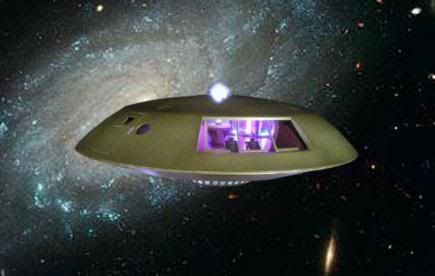
My website & music: www.herbhartley.com MC4/5/6/X1e.c, on a Custom DAW Focusrite Firewire Saffire Interface BMI/NSAI "Just as the blade chooses the warrior, so too, the song chooses the writer "
|
Moshkiae
Max Output Level: -14 dBFS
- Total Posts : 6111
- Joined: 2009/04/27 10:26:25
- Status: offline
Re: Jupiter-80 is here!
2013/11/09 10:59:57
(permalink)
Wookiee
Play with it
That's not the issue! It's how to make use of the other bits and pieces to do more and better things with it all. Even the presets are limiting, because it's hard to tell what was done or not done. Let's say I want to extend this and have it repeat and so on ... I am not able to do that! I can only play variations upon a theme on what is already there! The rest is wasted! Not to mention ****ing assinine comments here and there and everywhere!
As a wise Guy once stated from his holy chapala ... none of the hits, none of the time ... prevents you from becoming just another turkey in the middle of all the other turkeys!
|
Moshkiae
Max Output Level: -14 dBFS
- Total Posts : 6111
- Joined: 2009/04/27 10:26:25
- Status: offline
Re: Jupiter-80 is here!
2013/11/09 11:18:27
(permalink)
Mystic38
You picked a winner in the JP80..
I suspect you wont be making any music for quite some time while you simply enjoy the sounds.. a pure performance keyboard
A performance keyboard and you spend your time playing on it, instead of using it on stage? I want a keyboard for fun, and the performance whatever abilities can take a hike!
As a wise Guy once stated from his holy chapala ... none of the hits, none of the time ... prevents you from becoming just another turkey in the middle of all the other turkeys!
|
craigb
Max Output Level: 0 dBFS
- Total Posts : 41704
- Joined: 2009/01/28 23:13:04
- Location: The Pacific Northwestshire
- Status: offline
Re: Jupiter-80 is here!
2013/11/09 14:33:04
(permalink)
Jeff Evans
I am interested in synth operating systems. It is interesting starting with an idea for a sound in your mind and then using the synth operating system to achieve it. The Jupiter 80 has an interesting approach to it too. Sound building that is. I am reading the manual which explains it pretty well.
It is possible to build a sound with up to 24 layers per note. The Super NATURAL synth tone can consist of 3 partials. If you constructed complex ambient textures using the super NATURAL tones you can maximise the number of layers possible. I like the live set concept too with 4 layers per Live set. So 12 layers are possible at this point. The Registration is also an interesting concept with Solo, Upper and Lower (two live sets) and Percussion parts. It is good how they think of it as a band in some ways. With Upper and Lower baing able to be layered too another 12 layers could be added too. I like the concept of the lead or solo and percussion parts being treated separately. The Tone blender is also an interesting part of the Jupiter. Effects routing and processing killer too as to be expected.
All of these layered tones could be split off and assigned individuial midi channels and become seriously multi timbral. I think it's one of the most advanced and interesting Jupiters they have made yet. I am sure it sounds great too.
I think working with two (or three) powerful hardware synths is a great concept. For me I am partnering a Roland JD800 which would rival the Jupiter 80 in some cases for its fat and unique sound and the Kurzweil which also has a deep and rich operating system and a great sound too. The Roland sound marries well with the Kurzweil sound. I would imagine the Jupiter 80 would be an even better match. I am also blending in the EMU Emulator sound into some of these mixes and it also fits in well with those two. It is still one heck of a great sounding sampler.
A few people who I knew were major Fairlight operators back in the 80's and 90's and they often had a Roland Jupiter synth in partnership with it. It is a good marriage. Layering fat analog sounding patches under digital sounds, works very well and sounds effective. Does not mean you could not layer in other fat sounding layers from Korg and Yamaha. It only gets more interesting when you start blending different brands. I still think they sound different from each other. (Kurzweil, Roland, Yamaha, Korg. EMU) They did then and still do today.
I nominate this post as "interesting!" 
Time for all of you to head over to Beyond My DAW!
|
Shambler
Max Output Level: -75 dBFS
- Total Posts : 783
- Joined: 2010/07/06 05:20:19
- Status: offline
Re: Jupiter-80 is here!
2013/11/09 15:13:12
(permalink)
3 partials per tone 1 tone percussion 4 tones lower 4 tones upper 1 tone solo 3*(1+4+4+1)=30 layers ..still short of the Kurz. Now if Kurzweil had a decent GUI more people would realise what a great synth it is.
post edited by Shambler - 2013/11/09 15:27:32
SONAR Platypus on Win10 64bit. Studio One Pro / Cubase Pro 9.5...just in case. 8GB i7-2600 3.4GHz Gigabyte Z68XP-UD3P Geforce GTX970 Focusrite Scarlett 18i20 2nd Gen Prophet 12/Rev 2/Virus Snow Zebra2/DIVA/NI Komplete 10
|
Jeff Evans
Max Output Level: -24 dBFS
- Total Posts : 5139
- Joined: 2009/04/13 18:20:16
- Location: Ballarat, Australia
- Status: offline
Re: Jupiter-80 is here!
2013/11/09 15:32:26
(permalink)
☄ Helpfulby Shambler 2013/11/09 15:54:41
I don't believe any synthesiser is limiting. It is interesting how there can be several points of view on something. They are limitless rather than limiting. Presets are a great starting point to get to know the sonic capabilities of the instrument. And also to inspire. They certainly do that for me. Reverse engineering of a preset synth patch enables you to learn the basic principles of synthesis. Once you have some basic understanding of the concept of sound building then you can easily learn what the original programmer did to create that sound. You can now edit any aspect of that sound and turn it into yours. Waveforms can be changed, within minutes if you want you have a totally new sound that is yours and very original. All from a factory patch to start. (the Roland Jv30 is the best General Midi synth for sound editing direct on the front panel) Editing factory patches is great because you start with something half way there and end up with something that is fully there and very original. Roland synths have always made it easy to edit sound parameters. (The JD 800 is over the top with a faders and rotary controls and switches for every parameter laid out in front of you) The sound editing part of the Jupiter 80 looks pretty deep too. Or you can build from scratch and create the sound yourself using the vast storage of raw materials you have to work with. Imagine pressing a key and hearing 16 events take place. All in their own time and space, some at the same time to fatten and add interest to the sound and other parts delayed and layered in. It doesn't take long to build a complex ambient texture for example. Different parts of it can be mapped out over the keyboard and velocity switching can bring in new sounds etc. The performance options once you have a sound made are also enormous. Adding in after touch, pedal, breath control, ribbon, pitch and mod wheels, the 10 sliders on the front panel of a Kurzweil etc..It is all about sound programming and how that is done in relation to the velocity curve of the keybed. The keyboard is also a great performance instrument and for those who can play it well it is a super expressive tool. I think the synth action is also well designed because it is no less expressive than anything else. It allows for a different playing approach. With all the extra bits you can add to a performance keyboard in terms of performance controllers it is still a very expressive instrument. And for those with a deeper understanding of music, it is well organised. PS the real power of the Kurzweil is using the editor software. Then the GUI takes on a whole new meaning. Those screens are large, detailed and look great and you can deal with huge amounts of stuff on one page. That is how you use it in the studio. The editor even runs fine along with your DAW and it has a two way link to the instrument. This editing program that is normally $99 is free currently to Kurzweil buyers. On stage you don't need it. It just sets up all your sounds and organises things into a very fast and retrievable system that uses the built in display. I find there is more than enough info on the display.
post edited by Jeff Evans - 2013/11/09 15:38:03
Specs i5-2500K 3.5 Ghz - 8 Gb RAM - Win 7 64 bit - ATI Radeon HD6900 Series - RME PCI HDSP9632 - Steinberg Midex 8 Midi interface - Faderport 8- Studio One V4 - iMac 2.5Ghz Core i5 - Sierra 10.12.6 - Focusrite Clarett thunderbolt interface Poor minds talk about people, average minds talk about events, great minds talk about ideas -Eleanor Roosevelt
|
Shambler
Max Output Level: -75 dBFS
- Total Posts : 783
- Joined: 2010/07/06 05:20:19
- Status: offline
Re: Jupiter-80 is here!
2013/11/09 15:55:36
(permalink)
As always Jeff an eloquent and interesting post, thank you
SONAR Platypus on Win10 64bit. Studio One Pro / Cubase Pro 9.5...just in case. 8GB i7-2600 3.4GHz Gigabyte Z68XP-UD3P Geforce GTX970 Focusrite Scarlett 18i20 2nd Gen Prophet 12/Rev 2/Virus Snow Zebra2/DIVA/NI Komplete 10
|
Shambler
Max Output Level: -75 dBFS
- Total Posts : 783
- Joined: 2010/07/06 05:20:19
- Status: offline
Re: Jupiter-80 is here!
2013/11/09 16:15:22
(permalink)
I just had a mini-epiphany from Jeffs 'It is only up to 4 tones per note but you can still make some incredible sounding textures' Just because you have 30 layers doesn't mean you should use them. I did a double take on my post #6 about live sets, of course you should start with just a single tone or a live set and expand from there if needed. Registrations are niche, that's because they are tailored to a specific performance, that's why there are so few registrations compared to live sets, live sets are the building blocks of a performance and sometimes a performance in their own right.
post edited by Shambler - 2013/11/09 16:18:32
SONAR Platypus on Win10 64bit. Studio One Pro / Cubase Pro 9.5...just in case. 8GB i7-2600 3.4GHz Gigabyte Z68XP-UD3P Geforce GTX970 Focusrite Scarlett 18i20 2nd Gen Prophet 12/Rev 2/Virus Snow Zebra2/DIVA/NI Komplete 10
|
Moshkiae
Max Output Level: -14 dBFS
- Total Posts : 6111
- Joined: 2009/04/27 10:26:25
- Status: offline
Re: Jupiter-80 is here!
2013/11/10 12:17:57
(permalink)
Jeff Evans ...
I don't believe any synthesiser is limiting. It is interesting how there can be several points of view on something. They are limitless rather than limiting. Presets are a great starting point to get to know the sonic capabilities of the instrument. And also to inspire. They certainly do that for me. Reverse engineering of a preset synth patch enables you to learn the basic principles of synthesis. Once you have some basic understanding of the concept of sound building then you can easily learn what the original programmer did to create that sound.
...
There is a slight issue here, that no one wants to discuss. You all spend time telling us to study and learn and spend time on the instrument and such, but then you skip 3 pages ... and tell your student to go fuch himself! I love the stuff on Youcrap and even the comments here, but what teaches you is not just a patch ... but how do you go from this ONE SOUND, to all of a sudden a MASSIVE sound, and more choices ... and this is the frustrating part of it all, that I'm asking help for. It seems like all you and others know is every fuching patch in the world and internet, but when it comes to answering a simple question and teaching a child ... it's impossible, and you can't, don't have the time, and won't do it! ... You can't learn music, or in this case a synth, by just using a patch, and have no idea what the rest does and such ... why the fuch do you not get a workstation instead? ... Jeff Evans
Editing factory patches is great because you start with something half way there and end up with something that is fully there and very original.
...
All the patches and what not that Arturia offers are not for beginners. I have never been able, for example to "de-construct" a single one of those patches to see "where it came from!", so to speak! But again, no one knows anything and do not want to make a couple of dollars teaching an idiot to be more idiotic! The only teaching anyone can do with synthesizers these days is literally gone ... no one plays them!!!!! Everyone uses a workstation, because no one understands a synthesizer or is interested in spending time on it, like they would a guitar or drums! The synthesizer is no longer an instrument ... it's some stupid crap on the side. If you want a string sound, you don't use a synth ... you use a VST! There you have it ... the extent of the knowledge of the synthesizer! And someone using something that "free form" on stage is insane. Even Edgar Froese uses about 4 to 5 workstations now, meaning that there is no free form stuff as much anymore, as the whole setup is just way too complicated, and no one knows anything about it. Even Edgar doesn't like to talk about it with anyone, and that is the reason why they have their own folks setting things up ... it's just way out there in the setup! Sadly, that is what is going to kill this instrument.
post edited by Moshkiae - 2013/11/10 12:25:02
As a wise Guy once stated from his holy chapala ... none of the hits, none of the time ... prevents you from becoming just another turkey in the middle of all the other turkeys!
|
Mystic38
Max Output Level: -59 dBFS
- Total Posts : 1622
- Joined: 2010/08/30 17:40:34
- Location: Mystic, CT
- Status: offline
Re: Jupiter-80 is here!
2013/11/10 12:40:53
(permalink)
Shambler
3 partials per tone
1 tone percussion
4 tones lower
4 tones upper
1 tone solo
3*(1+4+4+1)=30 layers
..still short of the Kurz.
Now if Kurzweil had a decent GUI more people would realise what a great synth it is.
Since the JV there had been up to 4 tones per patch in a Roland board and of course up to 16 patches per performance/studio set.. The Fantom G added live sets into the equation.. (so that you could have seamless live set switching) and that's 8 patches per live set, each of course with its own keyboard range etc...so 32 discrete elements. Roland really didn't help themselves with the terminology in the JP80...but there is no denying the fundamental VA part is pretty good. and a+1000 on the kurz.. they put themselves out of contention for me...I always rated Roland UI the best of the bunch
HPE-580T with i7-950, 8G, 1.5T, ATI6850, Win7/64, Motu 828 III Hybrid, Motu Midi Express, Sonar Platinum, Komplete 9, Ableton Live 9 & Push 2, Melodyne Editor and other stuff, KRK VXT8 Monitors Virus Ti2 Polar, Fantom G6, Yamaha S70XS, Novation Nova, Novation Nova II, Korg MS2000, Waldorf Micro Q, NI Maschine Studio, TC-VoiceLive Rack, 2012 Gibson Les Paul Standard, 2001 Gibson Les Paul DC, 1999 Fender Am Hardtail Strat, Fender Blues Jr, Orange TH30/PPC212, Tak EF360GF, one mic, no talent.
|
Mystic38
Max Output Level: -59 dBFS
- Total Posts : 1622
- Joined: 2010/08/30 17:40:34
- Location: Mystic, CT
- Status: offline
Re: Jupiter-80 is here!
2013/11/10 12:42:47
(permalink)
HPE-580T with i7-950, 8G, 1.5T, ATI6850, Win7/64, Motu 828 III Hybrid, Motu Midi Express, Sonar Platinum, Komplete 9, Ableton Live 9 & Push 2, Melodyne Editor and other stuff, KRK VXT8 Monitors Virus Ti2 Polar, Fantom G6, Yamaha S70XS, Novation Nova, Novation Nova II, Korg MS2000, Waldorf Micro Q, NI Maschine Studio, TC-VoiceLive Rack, 2012 Gibson Les Paul Standard, 2001 Gibson Les Paul DC, 1999 Fender Am Hardtail Strat, Fender Blues Jr, Orange TH30/PPC212, Tak EF360GF, one mic, no talent.
|
Jeff Evans
Max Output Level: -24 dBFS
- Total Posts : 5139
- Joined: 2009/04/13 18:20:16
- Location: Ballarat, Australia
- Status: offline
Re: Jupiter-80 is here!
2013/11/10 14:19:14
(permalink)
The word synthesis is quite broad. It could mean a powerful workstation or the DX7 or of course back to basics with an analog modular synth. That is how I learned, starting with the analog modular. I had a Korg setup in the early 80's. Roland wrote some great books on basic synthesis as well. I have found that the knowledge gained right back at the starting point eg analog synthesis and building a sound from nothing is still very helpful and relevant today even with modern workstations. There are some things that still translate. A good basic synthesis course would be a good thing to do. There have been some great tutorials written on it in various magazines over the years too. And the good news is there are plenty of VST's out there to learn and practice on. I don't think basic analog synth concepts will ever go away and people are still playing and buying them. I have just bought the Oberheim OBX or OPX Pro II from Sonic Projects. A very basic but incredible sounding instrument. It is something like that that one's basic synth programming knowledge can really come into its own. The interesting thing is that one can use a workstation and still create a patch the same way as you can on an analog modular and get a very similar result. Reverse engineering can still be helpful but I agree it might be harder in the case of an analog modular compared to say a workstation. But the basic principles still apply. You can still reverse engineer an analogue sound too. See what osc waveforms were used, how they are tuned, filter choices and settings, Volume and Filter ADSR settings and of course modulations from the LFO. I am a very experienced teacher of synthesis actually and have been doing it since the 70's. I started teaching teenagers the basic principles of synthesis when the first modular systems were being sold. I do have the time and can teach it well and explain any aspect of it. But it is probably something that is best handled in a one on one situation. It helps when you have the teacher and the synthesiser in the same room. You need to spend time playing around with synthesisers too and experiment. After all that is what they are designed for. It can all be learned and it is not hard either. It also helps if you have a positive attitute toward learning.
post edited by Jeff Evans - 2013/11/10 15:46:07
Specs i5-2500K 3.5 Ghz - 8 Gb RAM - Win 7 64 bit - ATI Radeon HD6900 Series - RME PCI HDSP9632 - Steinberg Midex 8 Midi interface - Faderport 8- Studio One V4 - iMac 2.5Ghz Core i5 - Sierra 10.12.6 - Focusrite Clarett thunderbolt interface Poor minds talk about people, average minds talk about events, great minds talk about ideas -Eleanor Roosevelt
|
Moshkiae
Max Output Level: -14 dBFS
- Total Posts : 6111
- Joined: 2009/04/27 10:26:25
- Status: offline
Re: Jupiter-80 is here!
2013/11/11 08:55:25
(permalink)
Jeff Evans
...
That is how I learned, starting with the analog modular. I had a Korg setup in the early 80's. Roland wrote some great books on basic synthesis as well. I have found that the knowledge gained right back at the starting point eg analog synthesis and building a sound from nothing is still very helpful and relevant today even with modern workstations. There are some things that still translate.
...
And this is a lost art. You can see it in today's music and when you look at Computer Music and other periodicals out there. They have lost the ability, and concept, of what the beginning is/was, and can only do things off their own tools, that skip half the knowledge that you are supposed to know or learn! Annoying to say the least. Jeff Evans
...
A good basic synthesis course would be a good thing to do. There have been some great tutorials written on it in various magazines over the years too.
...
Again, most of these are cut off, and not complete. You show me one example of taking one single note, and one single setting in any synthesizer, and let's take this to the umpteenth degree, and make it sound professional (so to speak!) ... sort of watch this one note become a Poink Flint sound! Then you go to a different synthesizer, and try the same thing, and you get nothing. VST's are like Cliff Notes. They are fun and fun and fun, no question, but you only know the sound, not the musical/aesthetical aspect of it, and that is the part that teaches you about the synthesizer. Not using the "sound" or "patch", which becomes nothing but a matter of taste! ... Jeff Evans
...
But it is probably something that is best handled in a one on one situation. It helps when you have the teacher and the synthesiser in the same room. You need to spend time playing around with synthesisers too and experiment.
Agreed. But around Portland, you don't have keyboard players. You only got top ten riff players! It's been frustrating to say the least, and I have just about exhausted the efforts. Even Craig, who might not be up to snuff on everything would be great help, but he's not interested, and I don't have enough doll/whores to swindle him with! That would likely be Photoshop, by the way!Trust me ... it's not been fun, though I have gotten a few things done.
As a wise Guy once stated from his holy chapala ... none of the hits, none of the time ... prevents you from becoming just another turkey in the middle of all the other turkeys!
|