I recently got myself a set of Polaroid automatic macro extension tubes for my EOS:

For those unfamiliar with such things, these have no glass in them, they're simply used to move a camera lens further away from the film-plane (much like a set of bellows) which allows the lens to focus on objects much closer than ordinary lenses allow.
The set of three that I got can be used individually, or in combination with each other, to achieve different 'magnifications'. The closest focussing is achieved when all three are used together to position the lens furthest away from the camera.
They all maintain full electronic communication between the lens and the camera, so autofocus and metering work as normal. Mind you, I actually found it a lot easier to use manual focus in most cases - with such a shallow depth of field, the camera was often hunting around trying to find the 'correct' point to focus on.
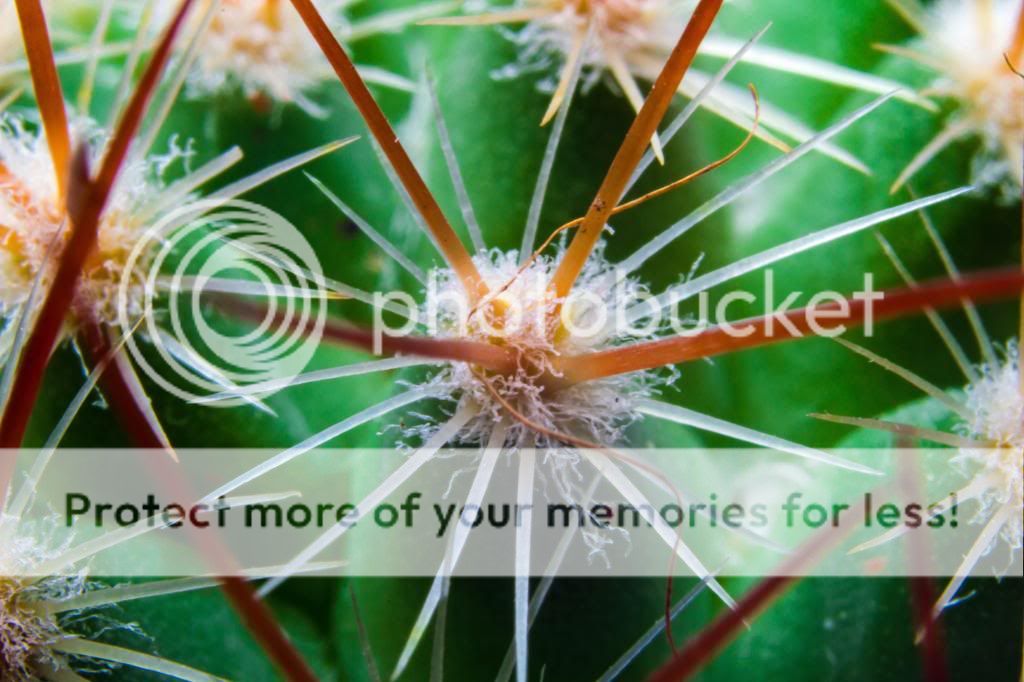
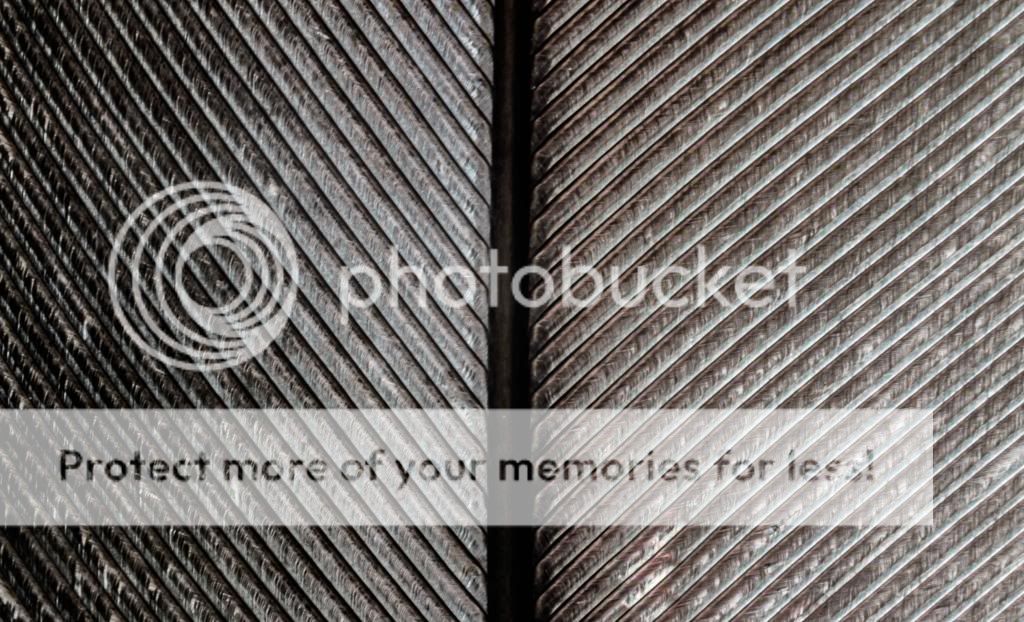
Anyway, here's a few 'test' shots I took earlier (originally shot in RAW at 100 ISO on EOS 600D + 35mm f2 @f22; processed in Lightroom 5 & Photoshop Elements 11):
Cactus, low magnification:

Cactus, medium magnification:
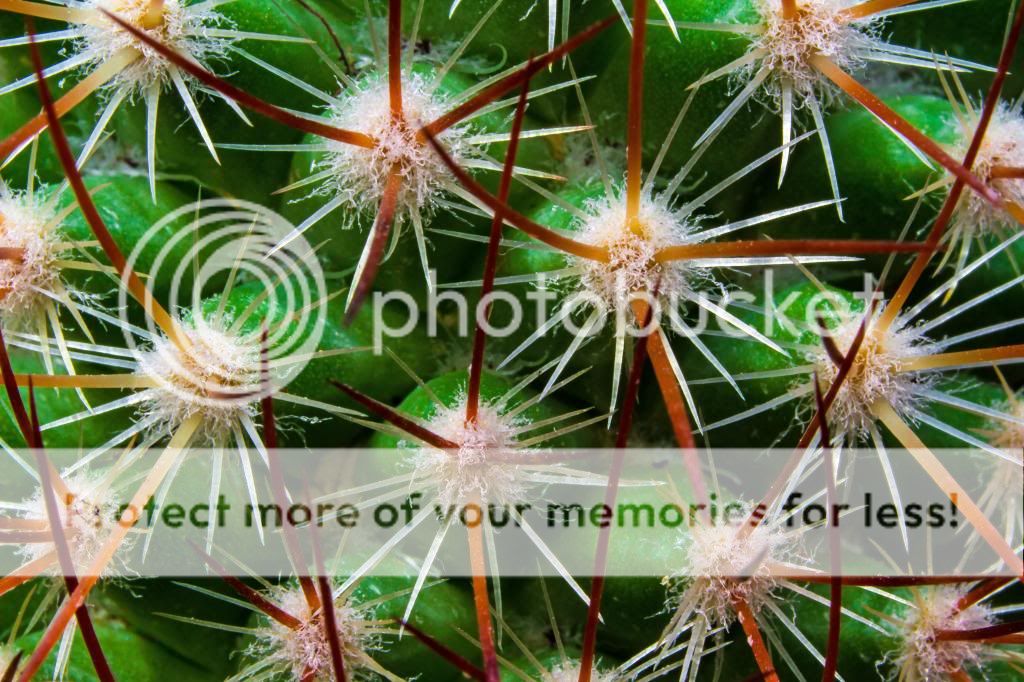
Cactus, maximum magnification:
Feather - maximum magnification:
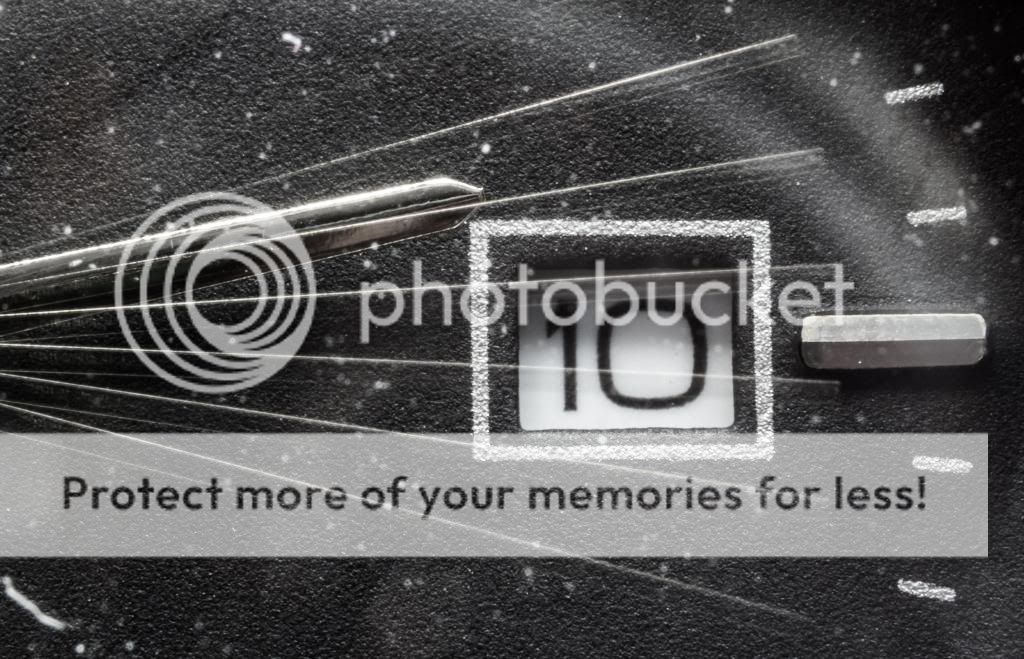
Watch - maximum magnification:
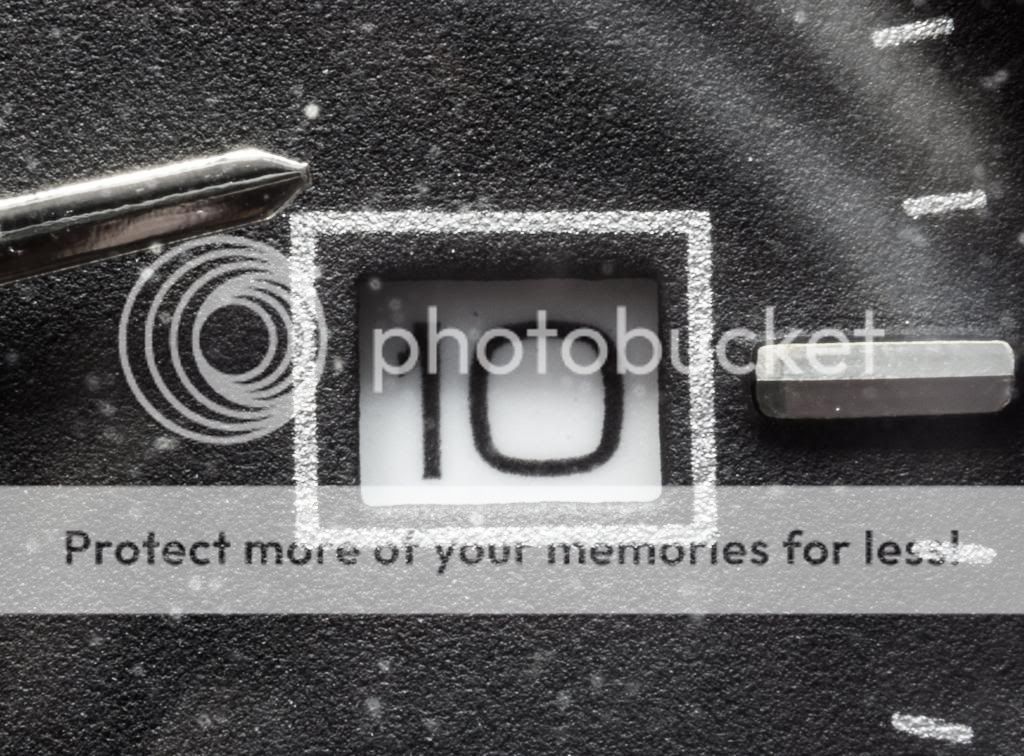
Watch - maximum magnification (I used a neutral density filter to extend the exposure to around 6 seconds, and then waited for the second hand to come round):
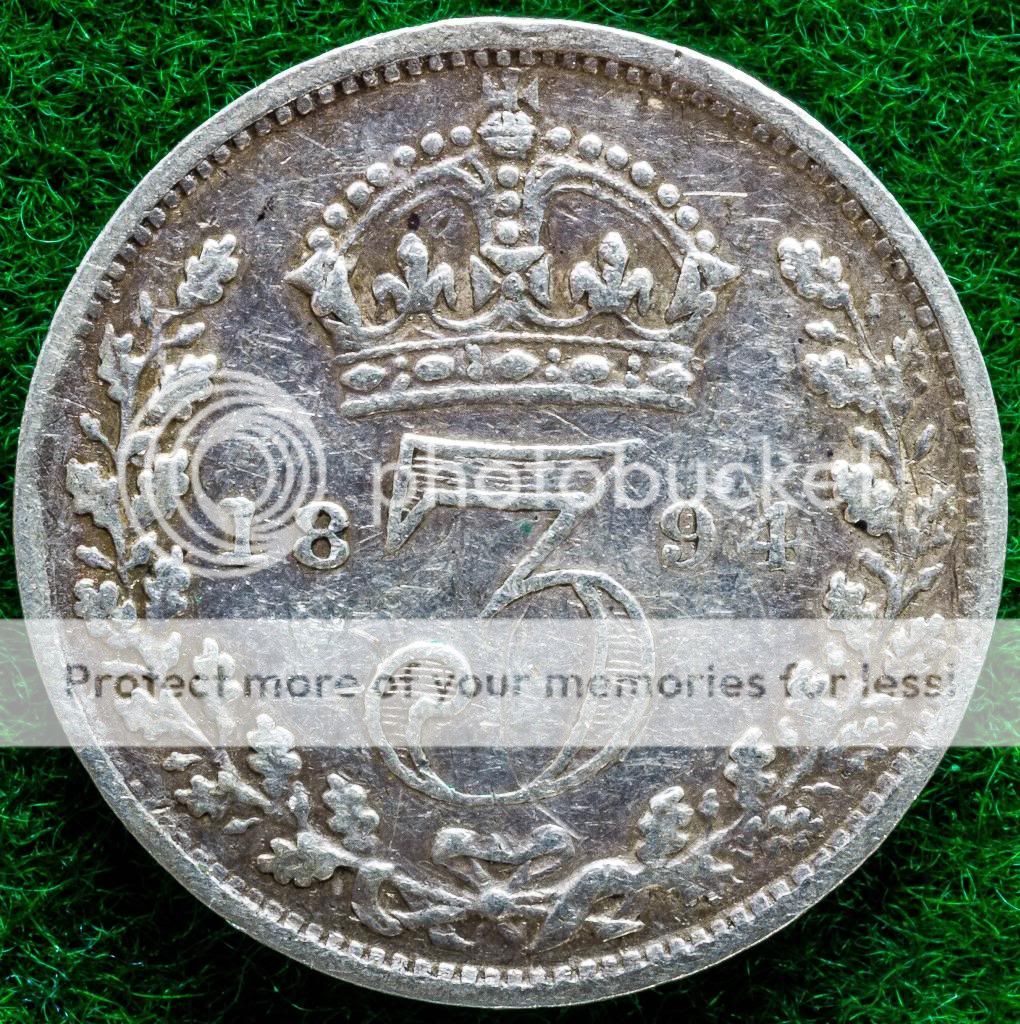
Coin (1894 3d ~ reverse) - low/medium magnification - to give a sense of scale, the green material I mounted the coin on (with the easily visible fibres) is a piece of billiard table cloth:
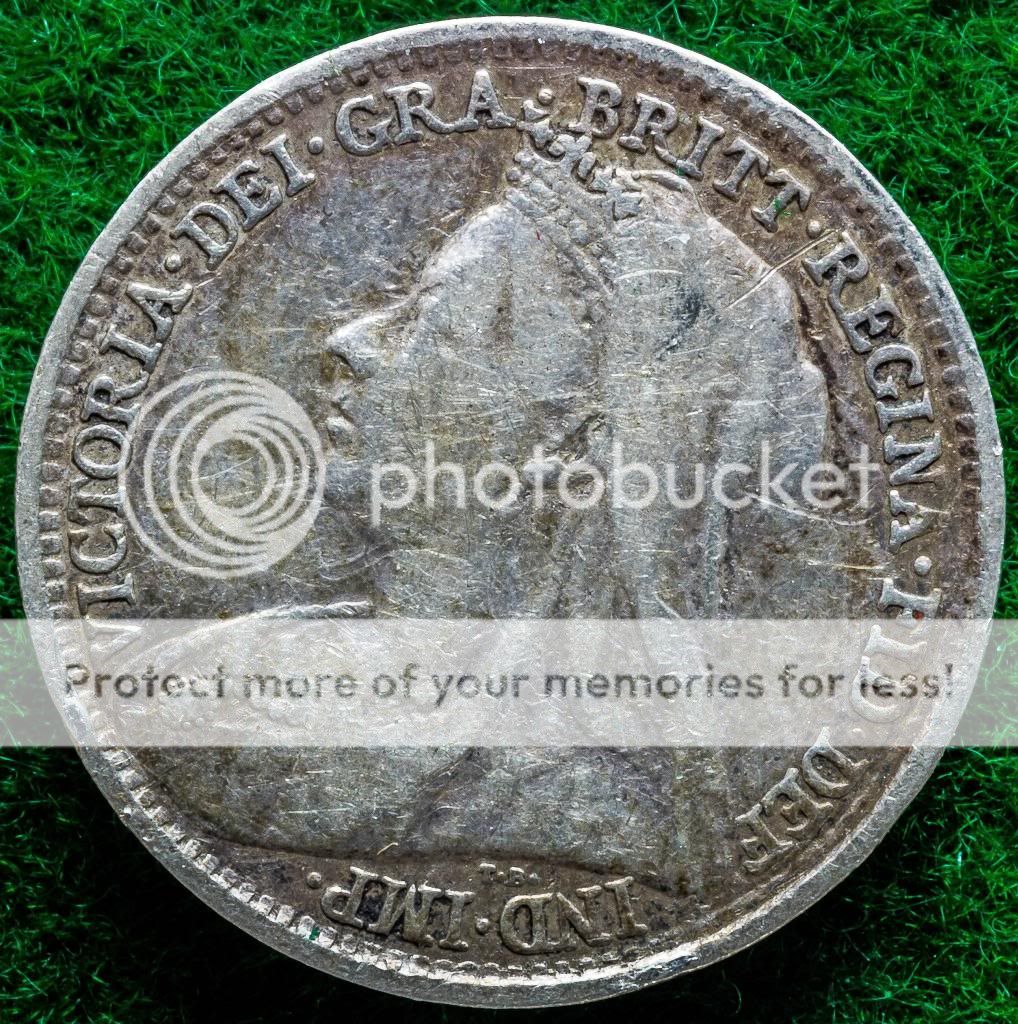
Coin (1894 3d ~ obverse side showing Queen Victoria) - low/medium magnification:
Coin (1894 3d ~ obverse, detail) - maximum magnification:

More to follow soon
